December 22, 2025
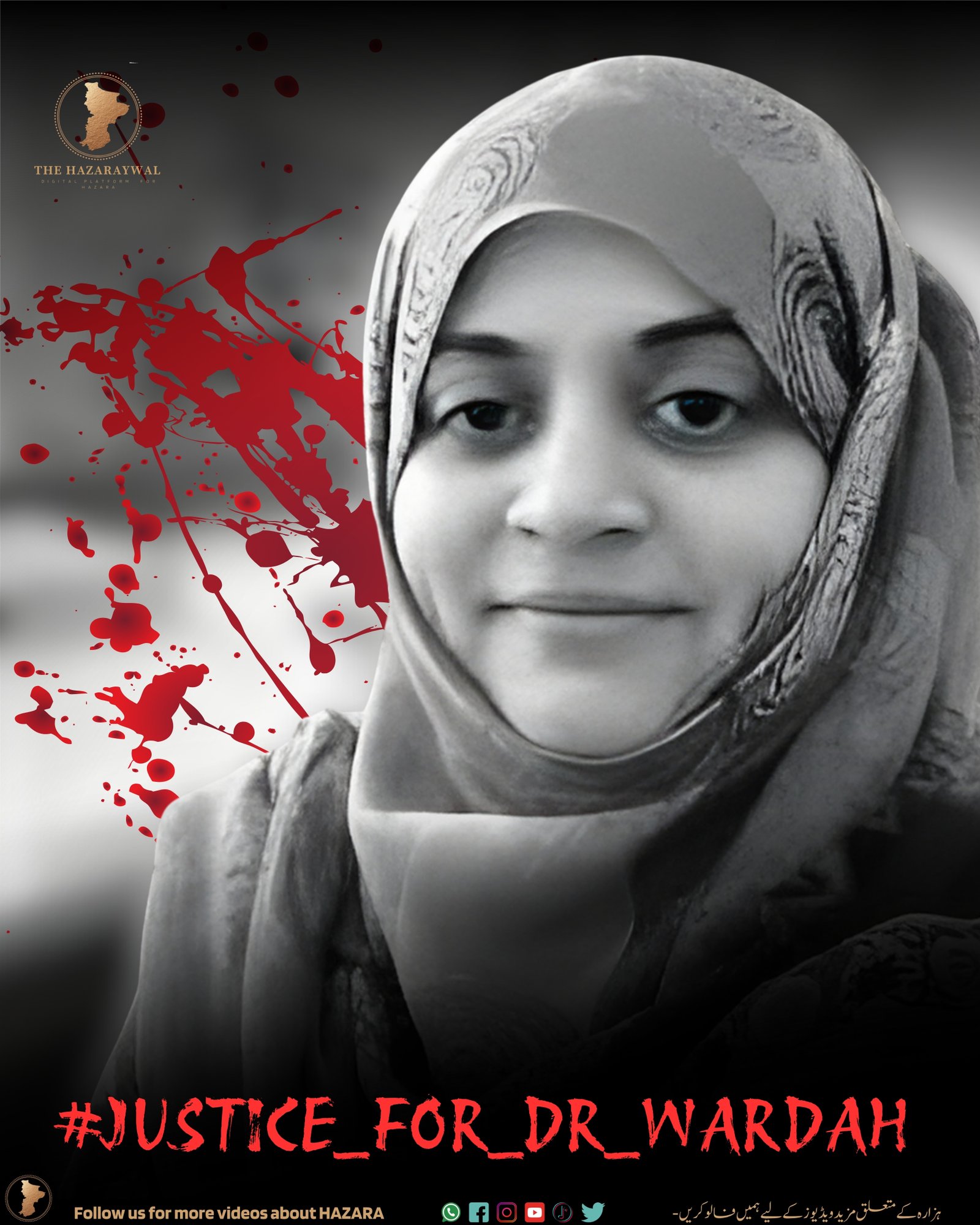
The tranquil city of Abbottabad, nestled amidst the picturesque hills of Khyber Pakhtunkhwa, was shattered by a tragic event that sent shockwaves across Pakistan: the murder of Dr. Wardah Mushtaq. This case, marked by initial ambiguity, a determined family's quest for justice, and a dramatic turn involving the prime suspect's demise, captivated national attention and highlighted critical questions about safety, justice, and community.
Dr. Wardah Mushtaq, a young and promising medical professional belonging to the Hazara community, was found dead in her hostel room at the Women's Medical College in Abbottabad. What began as a suspected suicide quickly escalated into a complex murder investigation, fueled by the unwavering resolve of her family and the growing concerns of a nation.
On that fateful day, Dr. Wardah's lifeless body was discovered in her room. The initial police report leaned towards suicide, suggesting she had taken her own life. However, her family, upon seeing her body, immediately harbored deep suspicions. They observed critical details that contradicted the suicide narrative – marks of struggle, alleged signs of strangulation, and broken nails, indicative of a desperate fight for survival. These observations compelled them to reject the initial findings and demand a thorough investigation into what they firmly believed was a murder.
The family's insistence was not without merit. They lodged a formal complaint, emphasizing the inconsistencies and presenting their evidence of foul play. This marked a pivotal moment, shifting the focus from a tragic self-inflicted death to a potential heinous crime that required immediate and rigorous attention from law enforcement agencies.
The tragic death of Dr. Wardah resonated deeply within the Hazara community, which has historically faced significant challenges and tragedies. Their collective voice, coupled with widespread public outrage and media attention, amplified the call for justice. Social media platforms buzzed with discussions, demanding transparency and accountability from the authorities.
Responding to the mounting pressure and the serious allegations made by Dr. Wardah's family, the authorities took a crucial step: a Joint Investigation Team (JIT) was formed. The JIT's mandate was clear – to conduct a comprehensive and impartial inquiry into the circumstances surrounding Dr. Wardah's death, leaving no stone unturned. This move offered a glimmer of hope to the family and the public that the truth would eventually emerge.
As the investigation progressed, the JIT meticulously pieced together clues and testimonies. The focus soon narrowed down to Shahzeb, identified as a close friend of Dr. Wardah. His name emerged repeatedly during the initial phases of the inquiry, leading investigators to consider him a prime person of interest in the case. The nature of their relationship and his proximity to Dr. Wardah made him a central figure in the unfolding mystery.
The police began their pursuit of Shahzeb, gathering evidence and building a case. The anticipation grew as the nation awaited developments, hoping for a breakthrough that would shed light on the motive and the perpetrator behind Dr. Wardah's untimely death.
The case took a dramatic and unexpected turn when news broke that Shahzeb, the prime suspect, had been killed in a police shootout. According to police accounts, Shahzeb was being taken by a police team to recover the alleged murder weapon from a location in the Sherwan area of Abbottabad. During this operation, he reportedly attempted to escape, prompting the police to open fire in self-defense, resulting in his death.
Police officials further stated that Shahzeb had confessed to killing Dr. Wardah after an argument. They also revealed that Shahzeb was allegedly involved in two other murder cases, adding another layer of complexity to his profile. This development brought a sudden and definitive end to the direct pursuit of the prime suspect, but it simultaneously opened a new chapter of questions and public discourse.
While the police declared the case effectively closed with the death of the prime suspect, the circumstances surrounding Shahzeb's demise sparked considerable debate and speculation. Questions arose:
These questions highlight the complexities inherent in such high-profile cases, especially when the principal suspect is no longer available to provide his account. For many, the full truth behind Dr. Wardah's murder remained elusive, leaving a sense of unease and a longing for complete clarity.
The Dr. Wardah murder case left an indelible mark on the national psyche. It underscored the vulnerabilities faced by individuals, particularly young women, and the critical importance of robust security measures in educational and residential facilities. Furthermore, it reignited conversations about the efficacy and transparency of the justice system, particularly concerning police encounters and the subsequent closure of investigations.
For the Hazara community, Dr. Wardah's tragedy became another poignant reminder of their struggles and their persistent quest for safety and justice within society. Her story became a symbol, not just of a personal loss, but of a broader demand for a system that protects its citizens and delivers unequivocal justice.
The Dr. Wardah murder case stands as a somber reminder of a life cut short and a mystery that, despite the official closure, continues to resonate with unanswered questions. While the prime suspect was apprehended and subsequently killed, the full narrative of the events leading to Dr. Wardah's tragic death may never be completely known.
This case serves as a powerful call for continuous vigilance, enhanced security protocols, and unwavering commitment to transparent and thorough investigations. The memory of Dr. Wardah Mushtaq endures, a poignant symbol in the ongoing quest for justice and safety for all.
December 22, 2025
December 21, 2025